Picture this: a teacher in Ohio runs a live poll during a history lesson, and within seconds, thirty-two students are debating whether the Industrial Revolution was actually a net positive. No hands raised. No awkward silence. Just a wall of opinions lighting up her screen. That's not a scene from a sci-fi movie — it's a Tuesday in 2025.
Education is changing faster than most of us can keep up with, and honestly? I'm here for it. But here's the thing — not every "trend" deserves your energy. Some are shiny distractions; others are quietly reshaping how kids learn. I've spent months talking to educators, poking around classrooms, and reading way too many policy docs so you don't have to. Here are the ten trends actually mattering in 2025 — and what they mean for the people standing at the front of the room.
The AI Elephant That's Already Sitting in Your Classroom
Let's be honest: by now, AI isn't coming to education — it's already moved in, raided the fridge, and put its feet on the coffee table. Over 60% of K-12 teachers report using AI tools weekly, whether for lesson planning, grading, or differentiating instruction.
But here's what most people miss: the real story isn't about students cheating with chatbots. It's about teachers using AI as a co-pilot to reclaim hours of their week. I've found that the educators thriving in 2025 aren't the ones banning AI — they're the ones teaching students how to use it critically. Media literacy is the new reading, writing, and arithmetic.

Personalized Learning Finally Grew Up
Remember when "personalized learning" was just a buzzword slapped on every conference brochure? Well, adaptive platforms have gotten genuinely good. Tools now adjust in real time based on how a student answers — not just whether they're right, but how they think.
The catch? Personalization only works when teachers have the training to interpret the data. I've seen schools dump six figures into platforms and then wonder why nothing changed. Spoiler: the tech isn't magic. The teacher is. Invest in the human first, and the algorithm follows.
Hybrid Classrooms Are Here to Stay (Yes, Really)
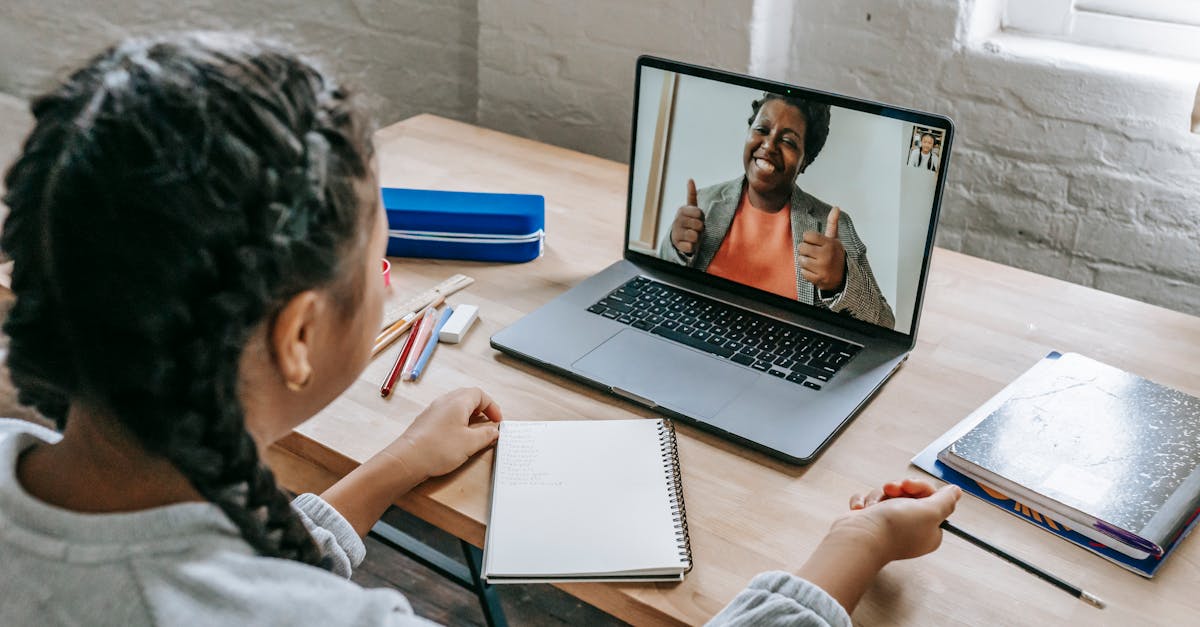
The pandemic-era pivot never fully reversed. In 2025, hybrid and HyFlex models are standard in higher ed and increasingly common in high schools with flexible scheduling. Students record video responses, join live sessions remotely, and collaborate asynchronously.
Is it perfect? Nope. But the flexibility is a game-changer for students juggling jobs, caregiving, or health challenges. The trend to watch is how schools design for belonging in hybrid spaces — because a Zoom square isn't a community.
The Mental Health Curriculum Nobody Expected
Here's a stat that stopped me cold: roughly 1 in 5 adolescents now reports symptoms of anxiety or depression, and schools are responding by weaving emotional literacy directly into the school day — not as an afterthought, but as a core subject.
Mindfulness minutes, peer support circles, and trained counselors on campus are becoming standard. And you know what? It's about time. You can't teach fractions to a kid in crisis. Whole-child education isn't soft — it's strategic.
Microlearning and the Death of the Hour-Long Lecture
Attention spans didn't shrink — our tolerance for boring did. Enter microlearning: bite-sized lessons, five-to-ten-minute videos, and quick formative checks that fit how students actually consume information.
I've found that the best teachers are chopping their lessons into digestible "learning snacks" and using class time for discussion and application instead of passive listening. The flipped classroom finally found its groove.
Gamification That's Actually Good
Not the "earn a badge for breathing" kind. I'm talking about game-based learning that builds genuine problem-solving skills — simulations, escape-room-style assessments, and collaborative challenges that make failure feel safe.
When students see a level to beat rather than a grade to fear, something shifts. They retry. They ask questions. They get curious again. That's the whole ballgame.
The Skills Shift: What Employers Actually Want
Schools are finally listening to the people who hire graduates. The 2025 focus? Critical thinking, communication, collaboration, and adaptability — the so-called "durable skills" that survive every tech cycle.
Career and technical education is booming, apprenticeships are back in fashion, and project-based learning is getting real-world teeth. The message is clear: knowing facts matters less than knowing how to use them.
Data Privacy Becomes Non-Negotiable
Every shiny edtech tool comes with a trade-off: student data. In 2025, districts are finally getting serious about privacy policies, consent, and vendor vetting. Parents are asking sharper questions, and regulators are paying attention.
If your school doesn't have a clear data governance plan, that's not a "someday" problem. It's a now problem.
Teacher Well-Being as a Strategic Priority
Burnout isn't a personal failing — it's a systems issue. Forward-thinking schools are treating teacher well-being as infrastructure: protected planning time, mental health support, and realistic workloads.
Happy teachers create better outcomes. Period. Any "trend" that ignores the adults in the room is built on sand.
The Rise of the Learning Ecosystem
The classroom walls are dissolving. Partnerships with local businesses, museums, universities, and community organizations mean learning now happens everywhere — not just between 8 a.m. and 3 p.m.
Students intern, shadow professionals, and tackle community projects for real audiences. It's messy, unpredictable, and exactly what education should be.
So... What Now?
Here's my honest take: the trends that stick are the ones that serve relationships, not replace them. AI, hybrids, microlearning — they're all just tools. The magic still happens when a curious teacher connects with a curious kid.
So my challenge to you: pick one trend from this list and try it this month. Not all ten. One. Test it, tweak it, tell me how it went. Because the future of education isn't something we wait for — it's something we build, one classroom at a time.
What's the trend you're most excited (or nervous) about? Drop it in the comments — I read every one.